Amla Oil vs. Coconut Oil: Which Natural Hair Oil Is Better for You?
Amla Oil vs Coconut Oil: Which Is Better for Hair Growth, Scalp Health, and Shine?
Introduction
Struggling with hair fall, dryness, dull strands, or an itchy scalp can get frustrating fast. You try product after product, only to end up wondering if your hair actually improved or just became temporarily softer.
That is why many people turn to natural hair oil options like Amla oil and coconut oil. Both are popular, both have loyal fans, and both are known for supporting healthier looking hair. But when it comes to choosing the right hair growth oil, the answer is not always simple.
If your goal is stronger roots, better scalp care, and long term hair support, understanding how these oils work can help you avoid wasting time and money on the wrong routine.
What Is Amla Oil?
Amla oil for hair comes from Indian gooseberry, a fruit widely used in Ayurvedic hair care practices. It is rich in antioxidants, vitamin C, and plant compounds that are traditionally associated with scalp nourishment and stronger looking hair.
One reason amla hair oil remains popular is its reputation for supporting healthier roots while helping improve overall scalp condition. According to research published through the National Library of Medicine, antioxidant rich ingredients may play a role in protecting hair follicles from oxidative stress, which has been linked to hair thinning.
Common amla oil benefits for hair include:
- Supporting stronger looking hair
- Helping maintain scalp health
- Improving shine and softness
- Supporting fuller looking strands
- Traditional use for amla for hair growth
People interested in ayurvedic herbs for hair growth often combine Amla with ingredients like rosemary, sweet almond oil, and bhringraj as part of a more complete hair routine.
If you are looking for an organic hair oil for hair growth that blends Ayurvedic ingredients with scalp support oils, Jomingo's Ayurvedic natural hair oil with Amla, rosemary, and sweet almond oil combines several traditionally used ingredients into one formula.
What Makes Coconut Oil Different?
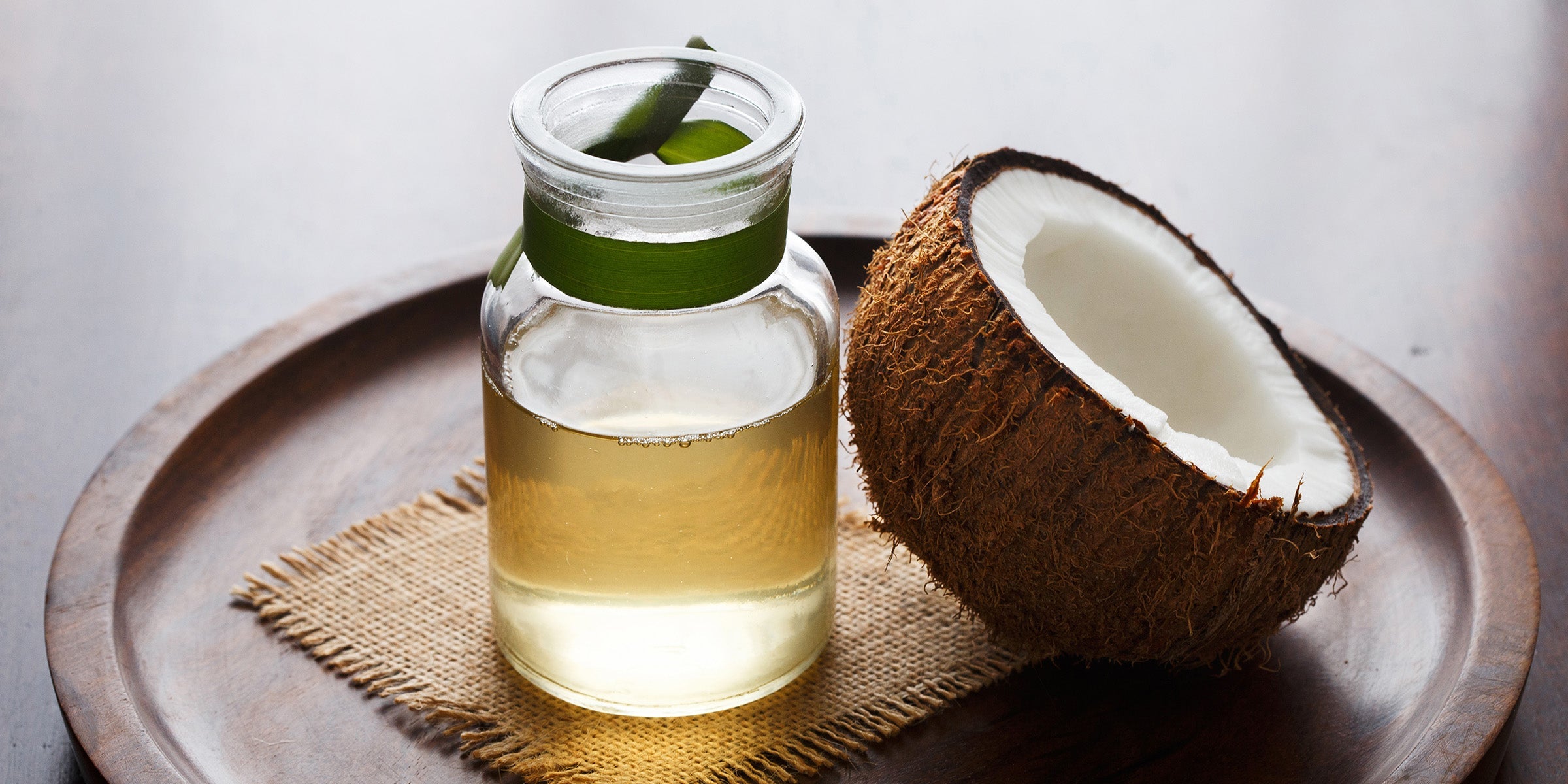
Coconut oil takes a different approach. While Amla is often linked to scalp care and traditional ayurvedic hair oil routines, coconut oil is mostly known for moisture retention and reducing protein loss.
According to Healthline's overview of coconut oil for hair, coconut oil can penetrate the hair shaft more effectively than some other oils. That matters because dry hair, breakage, and rough texture are often connected to moisture loss.
Coconut oil is commonly used for:
- Deep conditioning
- Dry or damaged hair
- Frizz reduction
- Reducing breakage
- Improving softness and shine
If your hair feels brittle, rough, or overprocessed from styling and heat, coconut oil may deliver faster visible softness. But moisture alone does not always solve scalp concerns or weak looking roots, which is where many people start exploring rosemary oil for hair growth, Amla, or broader ayurvedic hair care solutions.
Amla Oil vs Coconut Oil for Hair Growth
This is usually the real question. Which one is better for growth?
The truth is that they target slightly different problems. Amla oil for hair is often chosen by people looking for scalp support, stronger looking strands, and traditional growth focused care. Coconut oil tends to perform better as a conditioning treatment.
That does not mean coconut oil cannot support healthier hair. Stronger, moisturized hair naturally breaks less. But if your focus is scalp balance and root focused care, Amla may align more closely with your goals.
Many people now pair rosemary oil for hair growth with Ayurvedic oils because rosemary has gained attention for its potential connection to hair density support. The Medical News Today review of rosemary oil research discusses studies comparing rosemary to conventional hair approaches.
This is one reason blends that combine rosemary hair oil, Amla, and nourishing carrier oils continue to grow in popularity.
Can You Use Argan Oil With Amla or Coconut Oil?
Yes, and this is where many routines become more balanced. If Amla supports scalp focused care and coconut oil delivers moisture, argan oil for hair is often used to improve softness, shine, and smoothness.
Known as Moroccan argan oil, this ingredient is rich in fatty acids and vitamin E. According to the Cleveland Clinic's overview of argan oil benefits, argan oil is widely used for hydration and skin and hair nourishment.
People commonly use:
- Organic argan oil for hair
- Cold pressed argan oil
- Pure argan oil
- 100 pure argan oil
to help manage dryness, dullness, or frizz.
If you want a lightweight finishing oil for hair, skin, or beard care, Jomingo's 100 percent pure cold pressed organic argan oil is designed for multipurpose use across hair, face, and body care routines. Because argan oil benefits extend beyond hair, some people also use argan oil for skin, facial hydration, and body moisture support.
(Tip: While building your ultimate self-care routine, don't forget your daily essentials! You can easily round out your wellness collection with items like our clean-crafted plant-based aluminium-free natural deodorant cream or explore a variety of scents with the certified natural deodorant set of 3 to keep you fresh through the day).
Which Hair Oil Should You Choose?
Choosing the right oil depends less on trends and more on what your hair actually needs.
Choose Amla oil if your goal is:
- Scalp support
- Traditional ayurvedic hair care
- Stronger looking strands
- Amla for hair growth
- Root focused routines
Choose coconut oil if your goal is:
- Deep moisture
- Softer texture
- Frizz reduction
- Dry or damaged hair repair
Choose argan oil for hair if your goal is:
- Lightweight shine
- Smoother texture
- Softness without heaviness
- Extra hydration support
The American Academy of Dermatology notes through its hair care guidance that scalp condition, product choice, and routine consistency all influence hair health outcomes.
Final Thoughts
There is no single miracle oil that fixes every hair concern. That is the problem many people run into. They expect one product to solve dryness, breakage, thinning, dullness, and scalp issues all at once.
The better approach is understanding what each oil actually does.
- If your focus is traditional scalp nourishment and a more holistic hair growth oil routine, amla hair oil and broader ayurvedic hair oil blends may be worth exploring.
- If your hair mainly needs moisture and softness, coconut oil remains a strong option.
- And if your routine needs shine, smoothness, or extra hydration, adding organic argan oil can help round things out.
Sometimes better hair care is not about choosing one winner. It is about building a smarter routine that matches what your hair has been asking for all along.
(Bonus Tip: If you love holistic living, you can extend natural aromatics to your living space using an organic essential oils wooden diffuser set or explore targeted aromatherapy on the go with the Jomingo festive essential oil roll-on collection).