DIY Deodorants: How to Make Your Own Natural and Effective Deodorant at Home
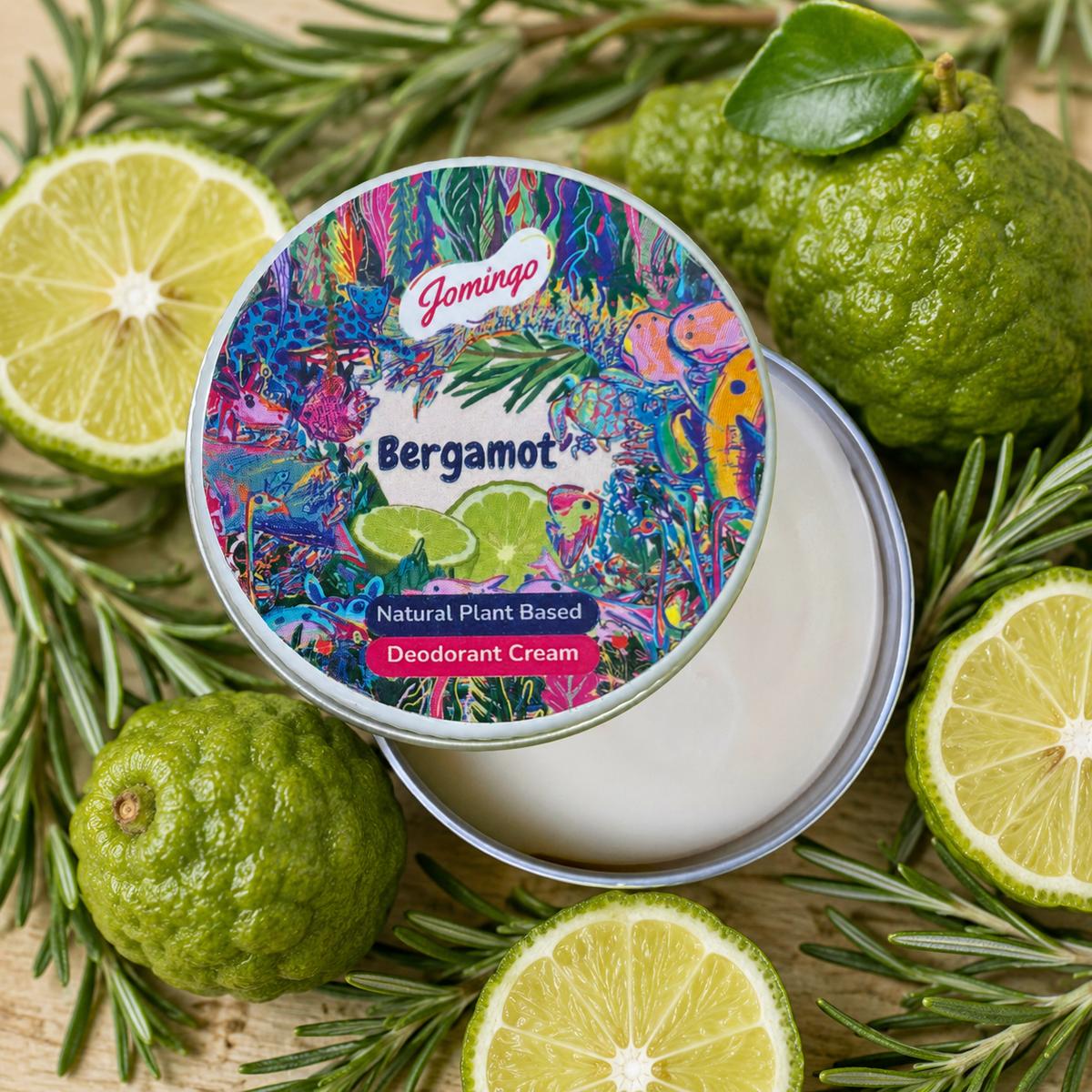
In the pursuit of healthier living and reducing daily exposure to potentially harmful synthetics, many individuals are actively auditing their personal care routines. One of the most common products under scrutiny is daily antiperspirant. While some prefer a curated commercial solution, like switching to the best natural deodorants in Singapore to ensure guaranteed irritation-free freshness, others prefer a completely hands-on approach and create their own customized formulas right in their kitchen.
However, many well-meaning DIY attempts fail. Without balancing raw botanical elements correctly, homemade batches often end up either too abrasive—causing painful underarm rashes—or too weak, leaving you dealing with embarrassing body odor midway through a busy day. It is incredibly frustrating to invest time and money into raw materials only to end up with a gritty paste that ruins your clothing or leaves your skin raw and irritated. Striking the perfect equilibrium between moisture absorption, microbial defense, and skin barrier protection requires a precise, systematic approach.
Transitioning to a customized, homemade formulation eliminates the guesswork entirely. By selecting pure, food-grade bases and strategic plant extracts, you can design a high-performance alternative that respects your skin's natural microbiome.
Why Formulate Your Own Personal Care Products?
From a dermatological perspective, shifting toward self-made formulations yields critical lifestyle advantages:
- Absolute Control over Ingredients: When you manufacture your own personal care items, you maintain total oversight of the raw material pipeline. This allows you to exclude controversial additives, artificial fragrances, or specific compounds that trigger your personal skin sensitivities.
- Long-Term Cost Efficiency: Producing small-batch hygiene products is highly economical. Buying foundational bases like pure plant butters and mineral starches in bulk allows you to create multiple seasonal batches for a fraction of retail pricing.
- Bespoke Customization: Standard commercial items follow a one-size-fits-all approach. Homemade formulations can be dynamically adjusted, allowing you to alter the aromatic profiles, dial down alkaline powders, or increase emollient counts depending on how your body chemistry reacts to changing seasonal humidity.
3 Simple, Dermatologist-Approved DIY Deodorant Recipes
To ensure maximum safety and functional stability, these recipes utilize established ratios that respect the delicate underarm skin barrier.
1. The Conditioning Coconut Oil and Baking Soda Solid
This classic formulation is excellent for maximum odor control, leveraging the natural antimicrobial properties of plant lipids alongside the heavy neutralizing capabilities of sodium bicarbonate.
- Ingredients: 1/4 cup virgin coconut oil, 1/4 cup baking soda, 1/4 cup non-GMO cornstarch, 10–15 drops of pure essential oil (optional).
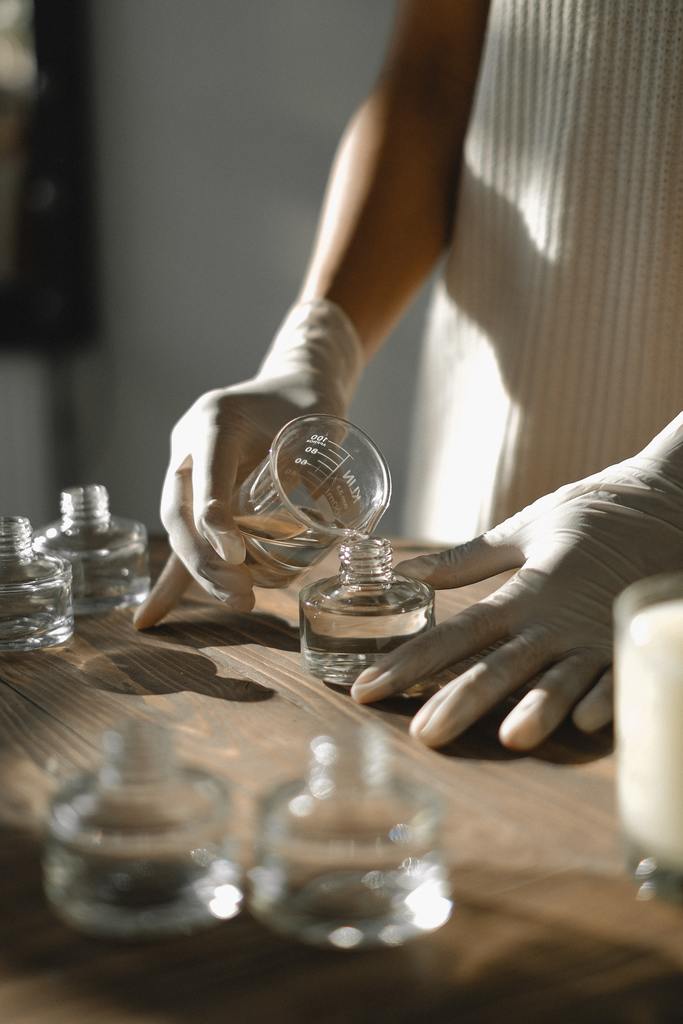
- Instructions: Gently melt the coconut oil over low heat until completely liquid. Whisk in the baking soda and cornstarch systematically until a perfectly smooth, uniform paste forms. Stir in your chosen essential oils for natural fragrance. Transfer the liquid mixture into a clean glass jar or an empty twist-up container and let it cool completely until it solidifies. Apply a pea-sized amount evenly to clean, dry underarms.
2. The Soothing Shea Butter and Arrowroot Protective Paste
For individuals prone to occasional friction or minor irritation, this lipid-dense option uses a lower alkaline profile to condition sensitive tissue.
- Ingredients: 1/4 cup raw shea butter, 1/4 cup arrowroot powder, 2 tablespoons cosmetic-grade beeswax, 10–15 drops of pure essential oil (optional).
- Instructions: Combine the raw shea butter and beeswax in a double boiler over medium-low heat. Once entirely melted, remove the vessel from the heat source. Sift in the arrowroot powder slowly to eliminate clumping, then add your essential oils. Mix thoroughly and pour the warm liquid into your designated storage container. Allow the formula to cool down and set completely before initial application.
3. The Refreshing Aloe Vera and Witch Hazel Mist
If you prefer a completely weightless, oil-free application, a botanical spray provides a crisp, astringent alternative that dries down instantly.
- Ingredients: 1/2 cup pure aloe vera gel, 1/4 cup organic witch hazel extract, 10–15 drops of pure essential oil (optional).
- Instructions: Pour the pure aloe vera gel, witch hazel extract, and selected essential oils directly into a clean, amber glass spray bottle. Seal the nozzle tightly and shake vigorously to emulsify the ingredients. Prior to every individual use, give the bottle a quick shake. Spray two to three pumps onto clean skin and allow it to air-dry fully.
Maximizing Skin Compatibility and Scent Customization
When crafting a personalized blend, understanding the structural differences between raw botanical oils is essential for achieving a smooth texture that won't stain fabrics or clog pores. This is particularly true if you are repurposing household ingredients. For instance, analyzing how individual carrier components behave, such as comparing the structural absorption rates of argan, amla, and sweet almond oil, can help you refine your recipes over time for an ultra-premium feel.
Furthermore, according to structural lipid research archived by the National Institutes of Health (NIH), utilizing unrefined, minimally processed fats preserves high concentrations of natural antioxidants. If you enjoy mixing raw botanicals for skin health, reviewing the core science behind cold-pressed natural hair oils offers excellent technical context on how cold extraction preserves raw nutritional value.

Formulation Safety and Best Practices
| Implementation Step | Professional Safety Recommendation |
| Initial Patch Testing | Before widespread daily application, apply a tiny amount of your new homemade batch to a small patch on your inner forearm for 24 hours to ensure your skin doesn't experience an adverse allergic reaction. |
| Alkaline Management | Sodium bicarbonate (baking soda) is highly effective at neutralizing odor, but its high pH can occasionally cause irritation over time. If a rash develops, reduce the baking soda quantity by half and replace it with extra arrowroot powder. |
| Microbial Safety & Storage | Because these clean DIY recipes contain zero synthetic chemical preservatives, always store your solid pastes in a cool, dry place away from direct sunlight, and ensure your liquid mist bottles are kept tightly sealed to preserve freshness. |
Frequently Asked Questions
Why does my DIY baking soda deodorant cause a rash?
Baking soda has a highly alkaline pH of around 9, whereas your natural skin barrier prefers a slightly acidic environment of about 5.5. According to guidelines set by the World Health Organization (WHO) regarding skin hygiene, prolonged exposure to high-alkalinity substances can disrupt your acid mantle, leading to chafing, dryness, or a stinging red rash. If this occurs, switch to an arrowroot-based formulation immediately.
How do I prevent my homemade deodorant from staining my clothes?
Staining is typically caused by applying too much product or using an excess of heavy carrier fats like raw coconut oil or shea butter. To prevent oil transfer to your clothing, apply only a pea-sized amount to your underarms and allow the mixture to absorb completely into the skin for 2 to 3 minutes before getting dressed.
How long does a batch of homemade natural deodorant stay fresh?
Because these pure DIY recipes omit synthetic stabilizers or artificial preservatives, their shelf life is determined by the expiration date of your base ingredients. Generally, a solid oil-and-powder-based paste remains fresh and stable for 6 months if stored in an airtight glass jar away from humidity and direct sunlight. mists containing water or aloe vera should be used within 2 to 3 months.