Safe & Fresh: A Complete Guide to Non-Toxic Deodorants for Pregnancy and Kids

Pregnancy is a season of profound transformation. While it is a beautiful time, it often brings unexpected challenges that can feel overwhelming. One of the most common concerns I hear from expectant mothers is the sudden, sometimes startling change in their body odor. It is completely normal. As your body works overtime to support new life, your hormones, metabolism, and even the bacteria living on your skin are shifting.
Many women naturally feel hesitant about continuing to use their standard antiperspirants, which are often loaded with chemicals that can be absorbed through the skin. This concern does not stop with pregnancy. It flows naturally into motherhood as we start helping our children and teens navigate their own personal care routines. If you are here, you are likely looking for answers. You want science backed, non-toxic solutions that will keep your family safe and fresh.
Non-toxic, aluminum-free natural deodorants are the safest choice for pregnant individuals and children because they manage odor without introducing harsh, hormone-disrupting chemicals into developing or highly sensitive systems. By choosing products that work with your body rather than against it, you can simplify your routine and protect your family from unnecessary chemical exposure.
Why Hormonal Shifts During Pregnancy Change Your Natural Body Scent
When you are pregnant, your body undergoes a physiological makeover. Your core body temperature rises, your blood volume increases, and your metabolic rate kicks into high gear. All of these factors combined mean you are likely sweating more than usual.
However, the change in odor is not just about the volume of sweat. It is about composition. Progesterone and estrogen fluctuations alter the pheromones and the microbiome on your skin surface. Think of your skin as an ecosystem. During pregnancy, that ecosystem changes, allowing different types of bacteria to thrive in areas like the underarms. When these bacteria break down the proteins and fats in your sweat, the resulting scent is often different, and sometimes more potent, than what you are used to.
Rather than reaching for high strength antiperspirants, which function by physically blocking your sweat ducts with aluminum, many experts now suggest opting for breathable, non-toxic alternatives. By allowing your body to sweat naturally, you support your body’s own detoxification processes, which is vital during this sensitive window. For more context on the chemistry of these shifts, explore our guide on the truth about aluminum in deodorant and why you should avoid it.
Key Ingredients to Avoid in Family Personal Care Routines
Education is your best defense. When you walk down the personal care aisle, the sheer number of options is overwhelming. Unfortunately, many contain ingredients that have no place in a healthy home.
If you are currently pregnant or managing the hygiene needs of a growing teen, your priority should be the endocrine system. The endocrine system regulates hormones, and many chemicals commonly found in conventional deodorants are known endocrine disruptors.
A clean, safe routine strictly avoids aluminum (antiperspirant), parabens, phthalates, triclosan, and strong synthetic fragrance.
- Aluminum Compounds: While controversial, many pregnant women prefer to avoid aluminum because it functions by clogging sweat ducts to prevent perspiration. When your body is already under stress, keeping natural elimination channels open is often preferred. Research has even linked prenatal exposure to aluminum with potential risks to fetal development.
- Parabens: Used as preservatives to extend shelf life, parabens like methylparaben and propyl paraben have been linked to hormonal imbalances in several studies.
- Phthalates: Often hidden under the vague label fragrance, phthalates are used to make scents last longer. They are potent endocrine disruptors that have been linked to developmental issues.
- Triclosan: This antimicrobial agent has been associated with low birth weight and thyroid concerns.
- Synthetic Fragrances: A single fragrance on a label can contain hundreds of undisclosed chemicals. These are the leading cause of contact dermatitis and respiratory irritation for children and pregnant individuals alike.
For a deeper dive into the safety profiles of specific ingredients, I highly recommend checking out EWG’s Skin Deep Database. It is a gold standard for verifying the toxicity levels of personal care products. Furthermore, if you are interested in broader health impacts, the Mayo Clinic’s guide on environmental toxins provides an excellent overview of why what you put on your skin matters as much as what you eat.

Introducing Clean Self-Care Routines to Teens and Growing Children Safely
Teaching a teen or pre-teen how to manage their body odor is a rite of passage. It is the perfect opportunity to model healthy habits that they will carry for the rest of their lives. When children hit puberty, their sweat glands, specifically the apocrine glands, become more active. This leads to body odor that is distinct from the sweat they produced as toddlers.
Finding safe, gentle deodorants for kids is important because their skin is incredibly absorbent and prone to irritation. Introducing them to a harsh, alcohol-laden, or aluminum-heavy deodorant is unnecessary. Instead, frame the conversation around supporting their body rather than fixing a problem.
Natural deodorants that utilize magnesium, kaolin clay, or arrowroot powder are fantastic for teens. These ingredients absorb moisture and neutralize odor-causing bacteria without causing the stinging or rashes that often accompany mass-market aerosols. Many parents now look for deodorants tested by kids to ensure the scent and texture are acceptable for younger users who are just starting their hygiene journey. You can check out our natural deodorant cream here which is a perfect gentle start for younger family members.
The Science of Natural Deodorant: How It Works
Many people believe that natural deodorant does not work because they confuse deodorant with antiperspirant. Let us clarify the difference:
- Antiperspirant: Blocks the sweat ducts with aluminum. It stops sweat from reaching the skin's surface.
- Natural Deodorant: Neutralizes the smell. It allows you to sweat, but it keeps that sweat from smelling bad by changing the pH of the underarm area or absorbing the moisture.
Ingredients like Magnesium Hydroxide are particularly effective because they raise the pH of the skin, making it an inhospitable environment for odor-causing bacteria. Arrowroot powder and cornstarch are plant-based moisture absorbers that keep the skin feeling dry without the need for aluminum. For those with sensitive skin, looking for products labeled baking soda free is crucial, as baking soda is a common cause of rashes in natural deodorant users. If you are exploring options for sensitive skin, read our guide to choosing the best deodorant for sensitive skin.
Addressing the Transition Period
If you are switching from a conventional antiperspirant to a natural one, you may notice a period where it seems like the product is not working. This is often called the transition period. Your sweat glands have been plugged for years. Once you stop using aluminum, your pores begin to release trapped buildup. This can sometimes cause a temporary increase in odor.
Do not give up! This typically lasts between two to four weeks. During this time, many families find success with a simple clay mask for the underarms to help pull out the impurities from years of conventional product use. For those who are curious about the DIY approach, check out our guide on how to make your own natural and effective deodorant at home.
Beyond Deodorant: Holistic Wellness for Families
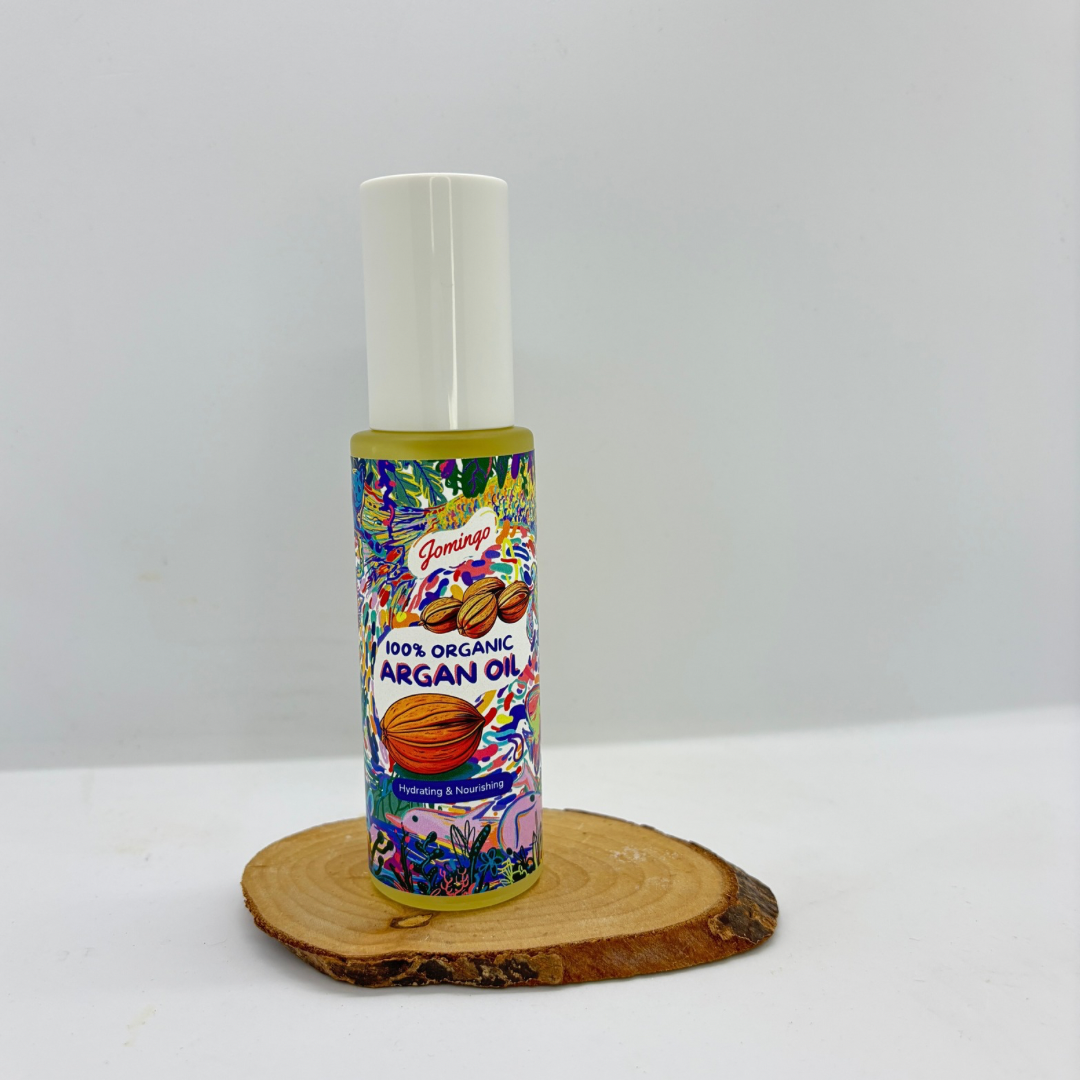
As you transition to safer personal care, consider your overall bathroom cabinet. Often, the same principles of avoiding harsh synthetics apply to hair and skin care. Using cold pressed oils can significantly improve skin barrier health, especially during the stretching and stress of pregnancy. For example, Jomingo’s cold pressed organic argan oil is a versatile, non-toxic addition that helps maintain skin elasticity.
For those interested in maintaining hair strength during the postpartum period, learning how to use natural hair oils for maximum hair growth can provide long-term benefits. We have also compared Amla oil vs coconut oil so you can choose the right botanical support for your scalp and hair health.
Frequently Asked Questions
What is the safest deodorant to use while pregnant?
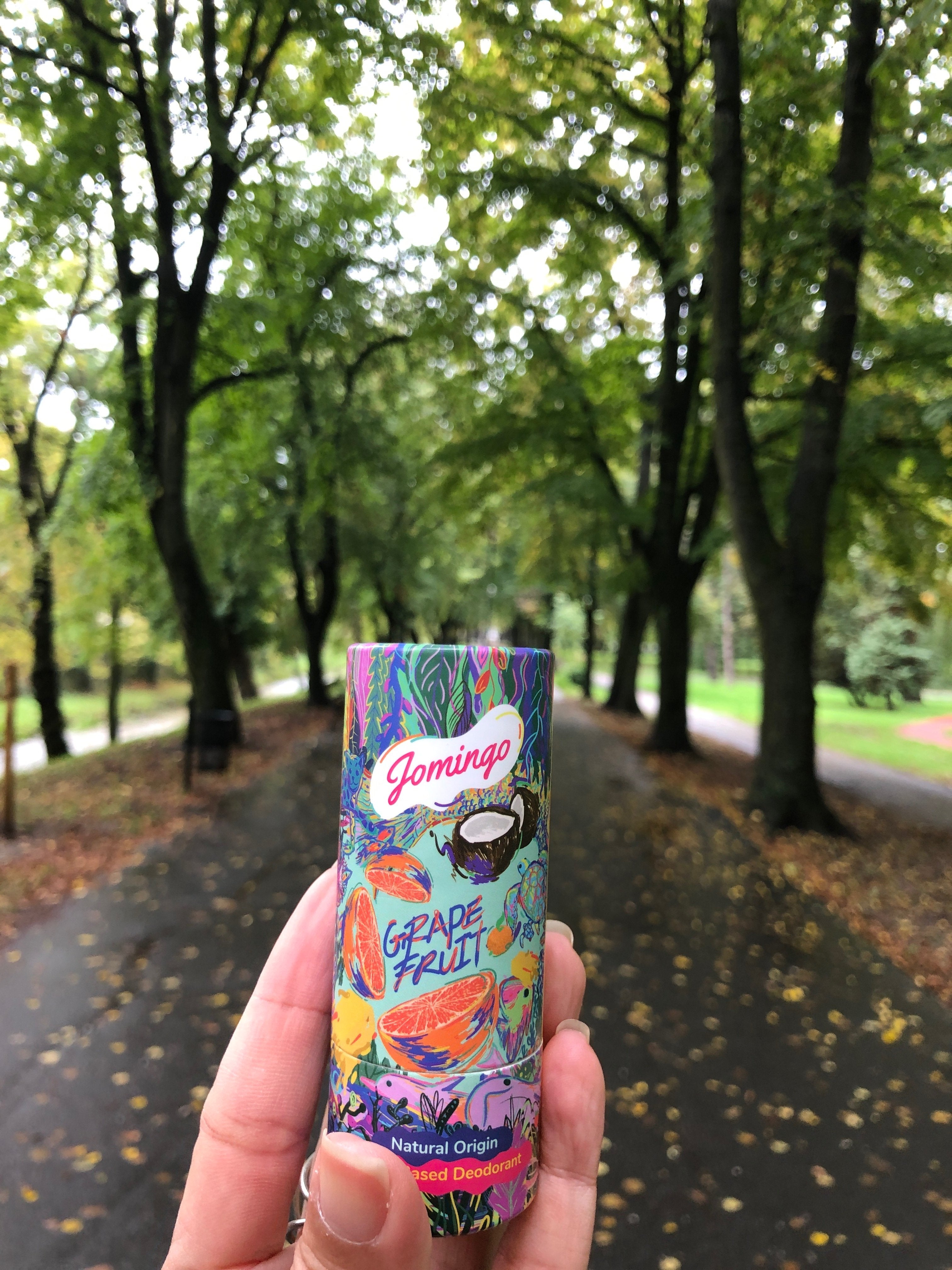
The safest choice is a certified organic or third-party verified non-toxic deodorant that is explicitly aluminum-free and fragrance-free. Always check the ingredient list for essential oils that might be contraindicated during pregnancy, such as clary sage or rosemary, and prioritize brands with full ingredient transparency. For a reliable, plant-based option, our certified natural aluminum-free deodorant set offers variety and safety.
What is the safest non-toxic deodorant?
While the best option depends on your individual skin sensitivity, look for products that use mineral-based odor neutralizers like magnesium or zinc and plant-based moisture absorbers like arrowroot powder. Trusted brands often include those that avoid synthetic fragrance and rely on essential oils, such as those featured in our best natural deodorants in Singapore guide.
Can pregnant moms use deodorant?
Yes, pregnant moms can use deodorant. There is no reason to abandon hygiene routines during pregnancy, but it is highly recommended to shift to natural, non-toxic formulations to avoid absorbing endocrine-disrupting chemicals.
Do I need to only use natural deodorants during pregnancy?
While you can technically use whatever you like, many experts and informed consumers choose to only use natural deodorants during pregnancy, and throughout breastfeeding, to minimize the chemical load on their body and their developing baby.
Are there specific deodorants tested by kids?
Many clean beauty brands have developed lines specifically for younger skin. Look for products marketed as "gentle" or "tween-friendly" that avoid baking soda and rely on soothing ingredients like shea butter or calendula, which are often preferred by parents of younger children.
Can I use essential oils to freshen up my home environment?
Absolutely. If you are creating a non-toxic home, using a wooden diffuser set with 100% organic essential oils is a safer way to improve your space without the harmful phthalates found in conventional room sprays. You can also explore our festive gift sets for thoughtful ways to share wellness with other expectant friends.
Need help sourcing the right products?
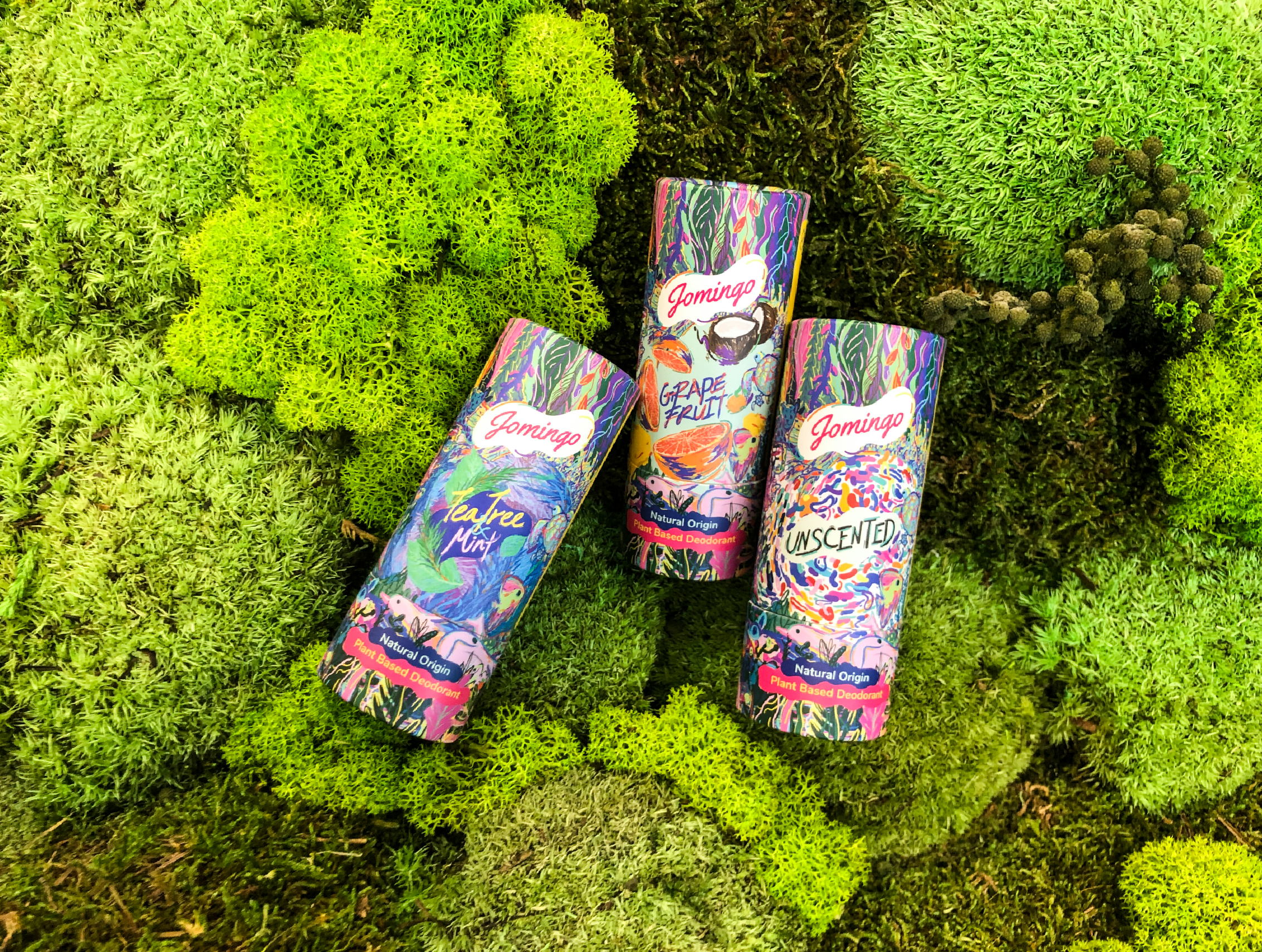
I have compiled a list of recommended brands that meet the strict standards for safety and effectiveness mentioned above. If you are looking to curate a complete set of safe, natural care products, explore the Jomingo collection for natural, plant-based essentials.