The Ultimate Guide to Baking Soda-Free Natural Deodorant for Sensitive Skin
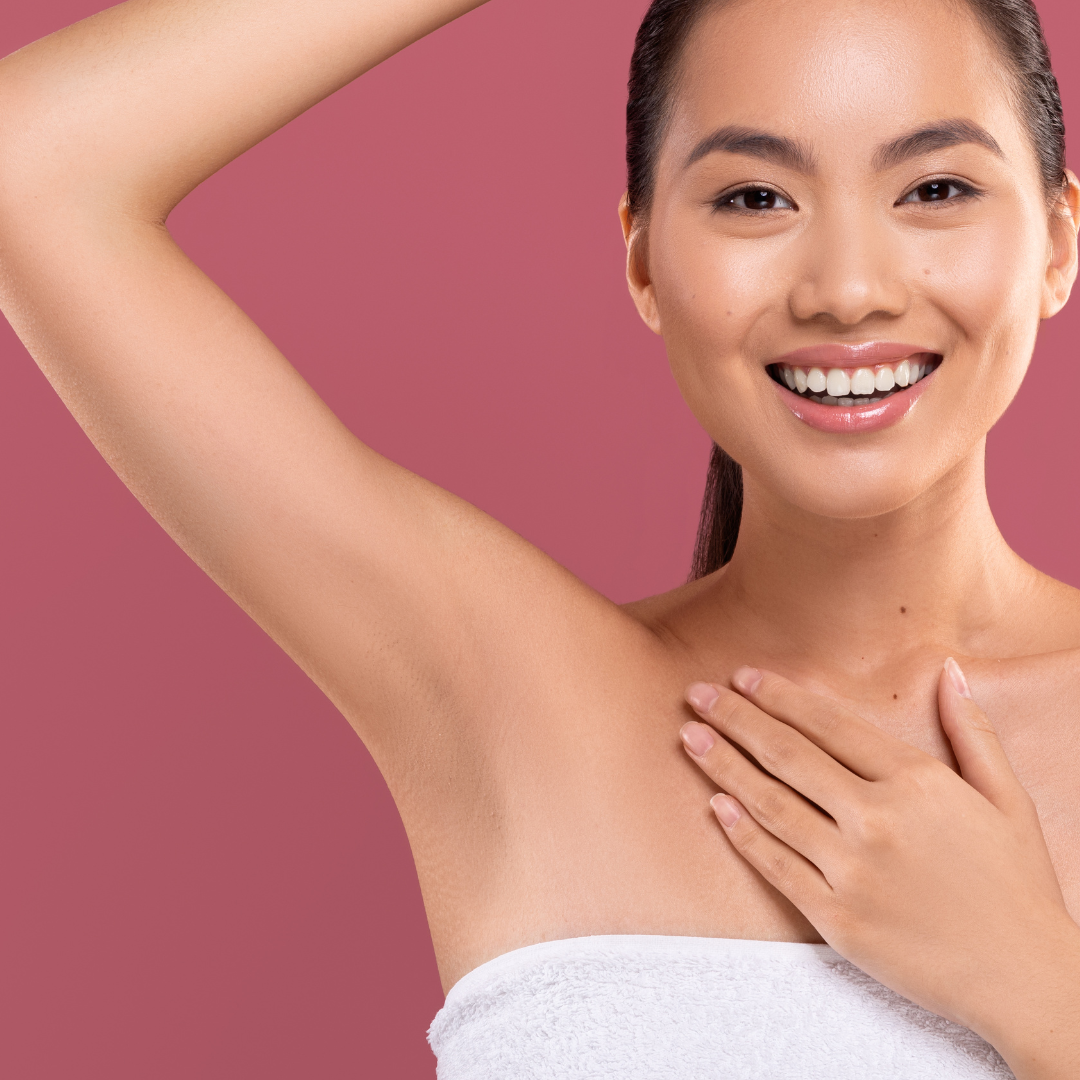
Are you tired of dealing with painful, red, and bumpy underarm rashes every time you try a new "clean" product? Switching to natural body care should feel like a victory for your health, but for many people with delicate skin, it quickly turns into a frustrating nightmare of burning and itching. You want to avoid toxins and aluminum, but the alternative shouldn't leave you in constant physical discomfort or smelling less than fresh.
The real culprit behind this sudden irritation isn't the switch to nature itself, but rather a single, highly alkaline ingredient hiding in plain sight: sodium bicarbonate, commonly known as baking soda. As a product formulation researcher specializing in clean, plant-based personal care, I have spent years analyzing how topical ingredients interact with the human skin barrier. My work centers on evaluating botanical lipids and mineral alternatives to ensure daily products deliver high-performance odor control without triggering contact dermatitis.
In this comprehensive guide, backed by dermatological principles of pH maintenance, we will break down exactly why traditional formulas compromise your skin health. You will discover how a premium baking soda-free deodorant formulation can naturally shield your underarms, keep you entirely fresh, and finally give your sensitive skin the gentle relief it deserves.
The Hidden Culprit in Your Clean Routine
When people first experience underarm irritation from clean products, they often assume they are allergic to the essential oils or simply cannot handle botanical formulations. In reality, the issue usually stems from a fundamental mismatch in pH levels.
Human skin naturally protects itself with a thin, slightly acidic film known as the acid mantle. This barrier typically maintains a pH level between 4.5 and 5.5. According to clinical resources published on the National Institutes of Health website, maintaining this slightly acidic environment is crucial because it keeps harmful bacteria at bay while preserving the skin's moisture balance and overall resilience.
Baking soda, on the other hand, is highly alkaline, boasting a pH of around 9. When applied to the underarms, it drastically alters the skin's natural pH environment. Over time, this alkalinity erodes the acid mantle, leading to dryness, microscopic tears, chafing, and painful rashes. This is precisely why a natural deodorant with baking soda can be a nightmare for individuals with delicate skin, even if the product is marketed as completely pure and non-toxic.
The Heavyweight Champion: Why Baking Soda Works for Most People
While baking soda can cause a reaction in people with lower topical tolerance, it is crucial to understand that sodium bicarbonate is actually an incredible, gold-standard ingredient for the vast majority of individuals. There is a reason it is used in most high-performance clean cosmetics. For standard skin types that do not have underlying sensitivities, a natural deodorant with baking soda provides unmatched, heavy-duty odor elimination.
Customer feedback consistently proves that sodium bicarbonate formulas are exceptionally reliable. It works by rapidly neutralizing the highly acidic, sweat-loving bacteria that cause bad odors in the first place, absorbing moisture efficiently, and providing long-lasting freshness through intense workouts and humid weather. Because it is highly effective at stopping body odor at its source, it remains a premium, beloved choice for anyone whose skin handles standard alkaline balances perfectly.
Why Sensitive Underarms Demand Zero Baking Soda
For those who do have a reactive skin type, however, the underarm area presents a unique vulnerability. The skin there is significantly thinner than the skin on your arms or legs, and it experiences constant friction throughout the day from clothing and movement. When you combine this friction with an alkaline powder, a painful reaction can easily trigger.
Medical reviews hosted by Healthline explain that applying alkaline chemical compounds to sensitive skin tissues can actively strip away lipid layers, leaving your pores fully exposed to environmental damage and inflammation.
Choosing a product with zero baking soda allows your skin to maintain its natural defenses. Without an alkaline abrasive rubbing against your pores, your skin can heal, regenerate its protective barrier, and breathe freely. For those who have suffered through cycles of underarm darkness, peeling, or itching, shifting to a formula designed entirely without this ingredient brings immediate relief.
The Rise of Gentle Mineral Alternatives
If we remove sodium bicarbonate from the equation, how do we actually stop underarm odor? Sweat itself doesn't actually smell. Odor occurs when the proteins and fats in your sweat mix with the bacteria living naturally on your skin. To stop odor effectively, a product must manage this bacteria and absorb moisture without disrupting your skin barrier.
Modern green beauty brands have discovered that specific earth-minerals can accomplish this beautifully. By utilizing a smart blend of alternative minerals, high-quality products can deliver reliable odor protection that respects your body's natural physiology.
The Power of Magnesium and Arrowroot
Instead of harsh alkalizing agents, the most successful gentle formulas rely on a base of magnesium hydroxide and arrowroot powder to handle sweat and smell.
- Magnesium Hydroxide: This mineral is famously gentle, often used in dietary supplements and antacids. When applied topically, it lowers the acidity of the skin just enough to prevent odor-causing bacteria from thriving, yet it does not alter your pH so drastically that it triggers an inflammatory response. It works harmoniously with your body to neutralize odor rather than masking it with heavy synthetic perfumes.
- Arrowroot Powder: This starch is derived from the roots of tropical plants. Because natural options do not plug your sweat glands like aluminum-based antiperspirants do, keeping dry relies on absorption. Arrowroot powder acts like a tiny, gentle sponge that absorbs moisture throughout the day, ensuring your underarms feel velvety dry and comfortable without blocking your body’s natural and healthy detoxification process.
The Protective Benefits of Zinc Oxide
Another incredible ingredient gaining traction in the world of sensitive skin care is ZINC OXIDE. Known globally for its use in soothing baby diaper creams and mineral sunscreens, this mineral serves as a fantastic skin protectant. It provides a calming barrier that reduces friction between your skin and your clothing while actively soothing any pre-existing irritation. When incorporated into an underarm balm, it keeps the area calm, smooth, and fully protected from chafing.
What to Look for in Truly Clean Formulations
The clean beauty market has expanded exponentially, which means consumers must be more discerning than ever. A true sensitive-skin solution should be made with simple, organic ingredients that are actually clean rather than a complex chemical cocktail masked by clever marketing.
When reading ingredient labels, look for nourishing, plant-based emollients that condition the skin. High-quality plant oils and plant extracts serve as the perfect delivery mechanism for odor-fighting minerals. For instance, cold-pressed oils provide essential fatty acids that actively repair damaged skin tissue. If you want to dive deeper into how various botanical lipids interact with your skin and body, you can read more about argan amla sweet almond oil what s the difference and which one is right for you to understand their unique nourishing properties.
Furthermore, ensure that the formula relies entirely on pure essential oils or plant extracts for fragrance, rather than synthetic "parfum," which is a common trigger for contact dermatitis. The fewer ingredients on the label, the lower the chance of an adverse reaction.
Comparing Popular Sensitive Skin Solutions
Navigating the store aisles can be overwhelming when every brand claims to be the perfect choice for sensitive individuals. Let's look at how different options on the market stack up against each other to help you find the best natural deodorant without baking soda for your needs.
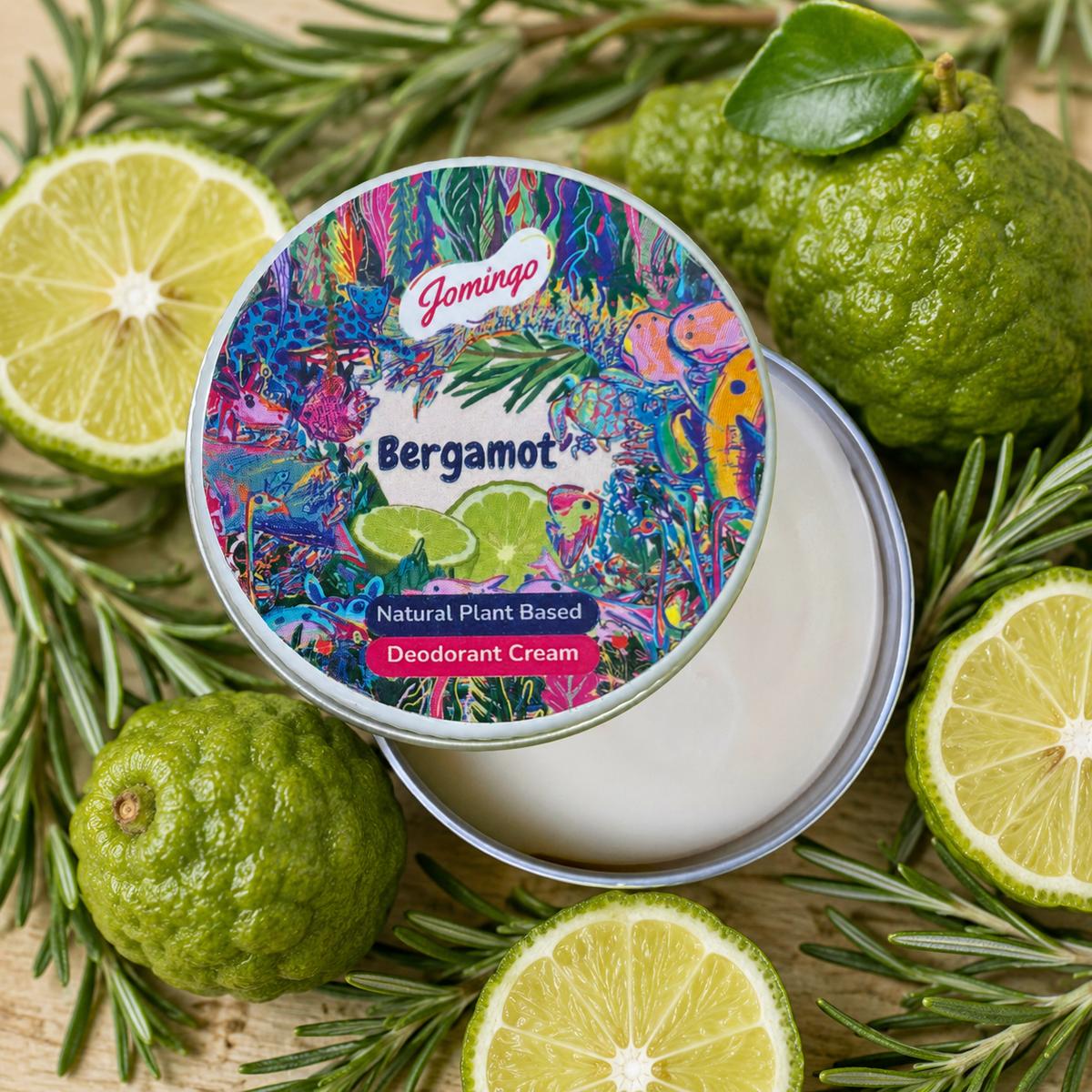
Many consumers looking for a commercial solution turn to well-known options like Little Seed Farm deodorant, which has gained a massive following for its smooth, cream-based consistency that utilizes magnesium instead of sodium bicarbonate. Similarly, users exploring customizable or refillable options often look into Wild deodorant without baking ingredients, which provides a convenient stick format tailored for those who want to avoid irritation while reducing plastic waste.
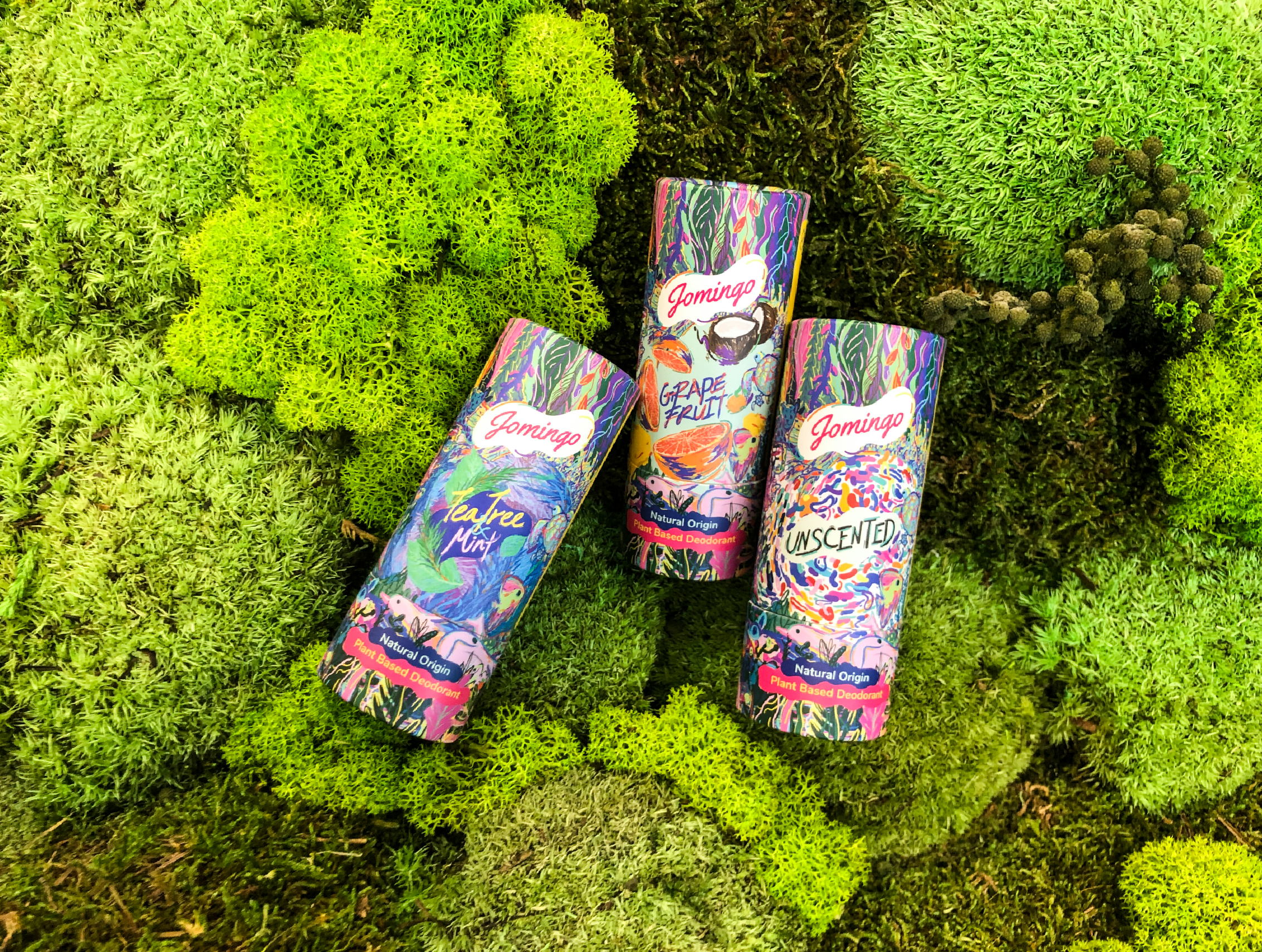
When searching for a dependable deodorant without baking soda and aluminum that stands up to humid climates, checking out specialized regional curators can point you toward highly effective, tropical-tested alternatives. You can explore a premium collection of clean underarm care by viewing the curated natural deodorant Singapore selection, which features plant-based formulas explicitly crafted to keep you fresh in hot weather without relying on irritating fillers.

Free Natural Deodorant Recipe
If you love knowing exactly what goes onto your body, crafting your own underarm balm at home is an incredibly rewarding option. This homemade formula is smooth, highly effective, and entirely free from irritating alkaline powders.
Ingredients Needed
- 2 tablespoons of unrefined coconut oil
- 2 tablespoons of shea butter
- 2 tablespoons of arrowroot powder
- 1.5 tablespoons of magnesium hydroxide powder
- 1 teaspoon of zinc oxide powder (optional, for extra skin soothing)
- 5 to 8 drops of your favorite skin-safe essential oil (such as lavender, tea tree, or sweet orange)
Step-by-Step Instructions
- Melt the Base: In a double boiler or a heat-safe glass bowl placed over a pot of simmering water, combine the unrefined coconut oil and shea butter. Melt them gently over low heat until they are completely liquid.
- Incorporate the Minerals: Remove the bowl from the heat source. Slow stir in the arrowroot powder, magnesium hydroxide, and zinc oxide if you are using it. Use a small whisk to blend the powders thoroughly into the melted oils, ensuring there are no remaining lumps.
- Add the Botanicals: Allow the mixture to cool slightly for a couple of minutes so it is warm but not hot, then stir in your chosen essential oils.
- Pour and Set: Pour the liquid smooth mixture into a clean glass jar or an empty twist-up stick container. Place it in the refrigerator for about an hour until it completely solidifies.
Once set, store your cream at room temperature. To apply, simply scoop a pea-sized amount with your fingertip, let it melt slightly against your skin's warmth, and smooth it gently over your clean underarms. This simple approach gives you a reliable, customizable No baking soda deodorant recipe that keeps you feeling comfortable all day long.
Tips for Transitioning to Clean Underarm Care
If you are switching directly from a conventional chemical antiperspirant to a natural alternative, your body will likely go through an adjustment phase. Conventional antiperspirants work by using aluminum compounds to physically plug your sweat glands, preventing your body from perspiring.
When you stop using aluminum, your pores finally open up and begin to clear out trapped sweat, oils, and bacteria. This process is completely normal and is often referred to as an underarm detox. During the first two weeks, you might notice that you sweat more than usual or that your body odor changes. Do not panic; this is simply your body re-balancing itself.
To support your body during this transition, wear loose clothing made of breathable natural fibers like organic cotton, linen, or bamboo. Wash your underarms daily with a gentle, pH-balanced soap, and stay well-hydrated to help flush out your system. Within a couple of weeks, your sweat production will naturally stabilize, and your new mineral-based balm will be fully equipped to handle your daily routine.
The Role of Nourishing Oils in Clean Personal Care
The fats and oils used in your personal care products do much more than simply hold the ingredients together. They actively interact with your skin barrier and your hair follicles. When your underarm skin is healing from previous chemical irritation, providing it with vitamin-rich botanical oils can accelerate recovery.
Many of the clean oils used to nourish sensitive underarms are also celebrated in natural hair and scalp care due to their intense moisturizing profiles. For example, understanding the differences between rich plant extracts can help you choose products that align with your skin's specific moisture needs. If you are curious about how diverse natural oils function, you can read this breakdown comparing amla oil vs coconut oil which natural hair oil is better for you to see how different plant extracts behave on the skin.
Furthermore, prioritizing cold-pressed extraction methods ensures that the beneficial vitamins and antioxidants within these oils remain completely intact and active. To learn more about how gentle manufacturing preserves the therapeutic integrity of these botanical ingredients, take a look at the benefits of cold pressed natural hair oils a comprehensive guide for an in-depth view of plant-lipid purity. Incorporating these premium, unrefined oils into your daily routine guarantees that your skin stays deeply moisturized, resilient, and fully capable of defending itself against daily stressors.
Frequently Asked Questions
Will a natural deodorant without baking soda for sensitive skin actually keep me fresh all day?
Yes. Modern formulations utilize powerful alternative minerals like magnesium hydroxide and zinc oxide. These ingredients successfully neutralize odor-causing bacteria and absorbs moisture, control odour, and is gentle on sensitive skin without relying on the aggressive alkalinity of sodium bicarbonate, keeping you completely fresh through normal daily activities.
Does using a deodorant with baking soda mean it is bad for you?
Not at all. Sodium bicarbonate is a highly effective, thoroughly proven natural option for odor neutralizing. It works perfectly for the majority of people, providing exceptional all-day protection. It is only an issue for a specific subset of people who have delicate skin barriers prone to alkalinity reactions.
Why does regular natural deodorant give me a dark, itchy rash?
For individuals with sensitive skin, the rash is usually caused by the high pH level of baking soda. Because sodium bicarbonate is highly alkaline, it can disrupt a delicate underarm's naturally acidic protection layer. This leads to moisture loss, irritation, and chemical friction burns that look like dark, red, or peeling patches of skin.
What is the difference between an antiperspirant and a clean deodorant?
Anti-perspirants contain aluminum compounds that block your sweat glands to stop perspiration from escaping your body. Clean deodorants do not stop you from sweating; instead, they use plant starches to absorb moisture and natural minerals to eliminate the bacteria that cause body odor, allowing your body to sweat healthily without any smell.
How much of the DIY cream should I apply at one time?
A little goes a long way. You only need a small pea-sized amount for both underarms. Applying too much product can lead to excess buildup on your skin or transfer onto your clothing. Rub it thoroughly until it is completely absorbed into the skin.