Top 10 Natural Hair Oils for Curly Hair: Enhance Your Curls Naturally
Managing curly hair can feel like a constant battle against dryness, unruly frizz, and stubborn tangles. Because natural scalp oils struggle to travel down the unique twists and turns of a curl pattern, your hair is left inherently starved of moisture, making it highly susceptible to snapping and split ends. Watching your curls lose their definition and transform into a frizzy, brittle mess is incredibly frustrating. Piling on heavy commercial styling products often backfires, leaving your scalp irritated and your strands weighed down by synthetic silicones, which ultimately ruins your natural bounce and stalls healthy length retention.
Transitioning to a premium, plant-based natural hair oil routine changes the game completely. Pure botanical lipids mimic or complement your scalp's organic biology, locking in deep core hydration, smoothing out rough cuticles, and restoring glorious, bouncy definition to your curls without any heavy chemical buildup.
1. Organic Argan Oil
This golden, nutrient-dense oil is extracted from the kernels of the argan tree, which is native exclusively to the arid, southwestern regions of Morocco. Rich in vitamin E, antioxidants, and essential fatty acids like oleic and linoleic acids, organic argan oil coats the hair shaft to tame flyaways, coat split ends, and add a brilliant, reflective shine. On a health level, it provides deep cellular hydration, improves elasticity, and protects the hair from oxidative stress and environmental pollution. It is best used for high-frizz styling, sealing damp ends after a wash, or as a restorative, deep-conditioning argan oil hair mask to revive brittle strands. If you are looking for an all-in-one moisturizing treatment, using pure argan oil on a regular basis is an excellent way to safeguard your hair profile.
2. Coconut Oil
This versatile, fatty-acid-rich oil is harvested from the meat of mature coconuts, cultivated widely across tropical regions, predominantly in Southeast Asia and the Pacific Islands. It is highly unique due to its concentration of lauric acid, which gives it a low molecular weight. This structure allows it to bind to hair proteins and penetrate deep into the core cortex rather than just sitting on the surface. It prevents protein loss, shields the hair from hygral fatigue (the swelling and deswelling of hair when wet), and provides natural antimicrobial properties to the scalp. It is best used as a heavy-duty moisture sealant for thick, high-porosity coily hair, and as a pre-shampoo protective treatment to minimize washing damage.
3. Jojoba Oil
This liquid plant wax is extracted from the seeds of the jojoba shrub, which is native to North American desert regions like the Sonoran Desert in the Southwestern United States and Northwestern Mexico. Jojoba oil adds a lightweight, non-greasy layer of moisture that physically mimics sebum, the natural oil produced by human skin. By acting as a bio-identical match to your natural scalp oils, it signals the hair follicles to stop overproducing grease, breaks down flaky buildup, and moisturizes dry scalp tissue to reduce dryness-induced dandruff. It is best used for scalp massages to combat flaking, for fine curl patterns that weigh down easily, and for everyday curl refreshing.
4. Olive Oil
This heavy, emollient culinary and cosmetic oil is pressed from whole olives, which originate in the Mediterranean Basin spanning Southern Europe, North Africa, and Western Asia. Olive oil softens coarse hair fibers and fills in microscopic gaps in damaged hair cuticles, resulting in smoother, more cooperative curls. Packed with powerful anti-inflammatory agents, squalene, and vitamins A and E, it fortifies the hair structure, shields it from thermal styling stress, and deeply conditions a dry scalp. It is best used for thick, coarse, or highly processed textures that require intense softening and deep hot oil treatments.
5. Avocado Oil
This ultra-nourishing, thick oil is pressed from the fleshy pulp surrounding the avocado pit, originating in South-Central Mexico and now widely produced in warm, subtropical climates globally. Avocado oil offers incredible physical slip, acting as a natural lubricant to detangle stubborn knots and prevent friction breakage during styling. It is one of the few oils exceptionally rich in monounsaturated fats, oleic acid, and vitamins A, D, and E, which actively penetrate the hair shaft to repair heat damage, strengthen weak strands, and protect the scalp barrier. It is best used for detangling stubborn knots, styling low-porosity hair that requires deep-penetrating lipids, and protecting hair before blow-drying.
6. Castor Oil
This thick, highly viscous, pale yellow oil is extracted from the seeds of the castor oil plant, native to Eastern Africa, particularly the Ethiopian region, though widely naturalized in tropical areas worldwide. Castor oil acts as a powerful humectant and heavy sealant, coating hair strands to add massive physical volume, thickness, and a rich sheen. It is packed with ricinoleic acid, which features exceptional anti-inflammatory and circulation-boosting properties that nurture hair follicles and soothe irritated scalp skin. It is best used for sealing highly textured coily hair types, moisturizing thin edges, and promoting a healthy scalp environment to support natural hair length retention.
7. Sweet Almond Oil
This pale, lightweight oil is expressed from the kernels of sweet almonds, native to Iran and surrounding countries in the Middle East, and later cultivated extensively across the Mediterranean and California. Sweet almond oil fills in hair cuticles to make strands exceptionally soft, smooth, and cooperative during styling. Its high concentration of magnesium, calcium, and zinc treats scalp dryness, protects the hair fiber from UV-induced color fading, and improves structural resilience to reduce overall shedding. It is best used for daily styling manageability, smoothing out midday frizz, and sealing medium-porosity hair without leaving an oily residue.
8. Grapeseed Oil
This silky, ultra-light oil is a natural byproduct extracted from the seeds of wine grapes, native to the Mediterranean region and Central Asia, expanding alongside global viticulture. Grapeseed oil acts as a lightweight shine enhancer and a natural heat protectant up to mild temperatures, smoothing down cuticles without any heavy accumulation. It contains high amounts of linoleic acid and oligomeric proanthocyanidins (powerful antioxidants) that counter cell damage, reduce scalp inflammation, and lock in core hydration. It is best used for fine, delicate curls that suffer from oil buildup, and as a finishing serum to add a gloss layer over dry styles.
9. Macadamia Oil
This rich, highly emollient nut oil is cold-pressed from macadamia nuts, which are indigenous to the coastal rainforests of Eastern Australia. Macadamia oil mimics natural sebum closely, rapidly absorbing into parched strands to restore bounce, calm extreme puffiness, and eliminate stubborn frizz. It is exceptionally high in palmitoleic acid (an omega-7 fatty acid), which infuses the hair cortex with youth-restoring moisture, rehydrates dehydrated scalps, and builds a defensive lipid shield. It is best used for rescuing chronically dry, over-bleached, or chemically relaxed curls that struggle to retain any moisture.
10. Shea Butter
This dense, creamy, solid vegetable fat is extracted from the nuts of the African shea tree, indigenous to the dry savannah belt of West and East Africa. Shea butter melts smoothly at body temperature, working as an intensive emollient to define curl clumps, lock in water-based leave-in conditioners, and drastically lower styling friction. It is packed with vitamins E and A, along with essential phytonutrients that soothe a dry, irritated scalp, heal skin inflammation, and provide a protective layer against sun damage. It is best used for twist-outs, braid-outs, and heavy moisture locking for thick, dense coily and curly hair types.

Incorporating Targeted Scalp Care
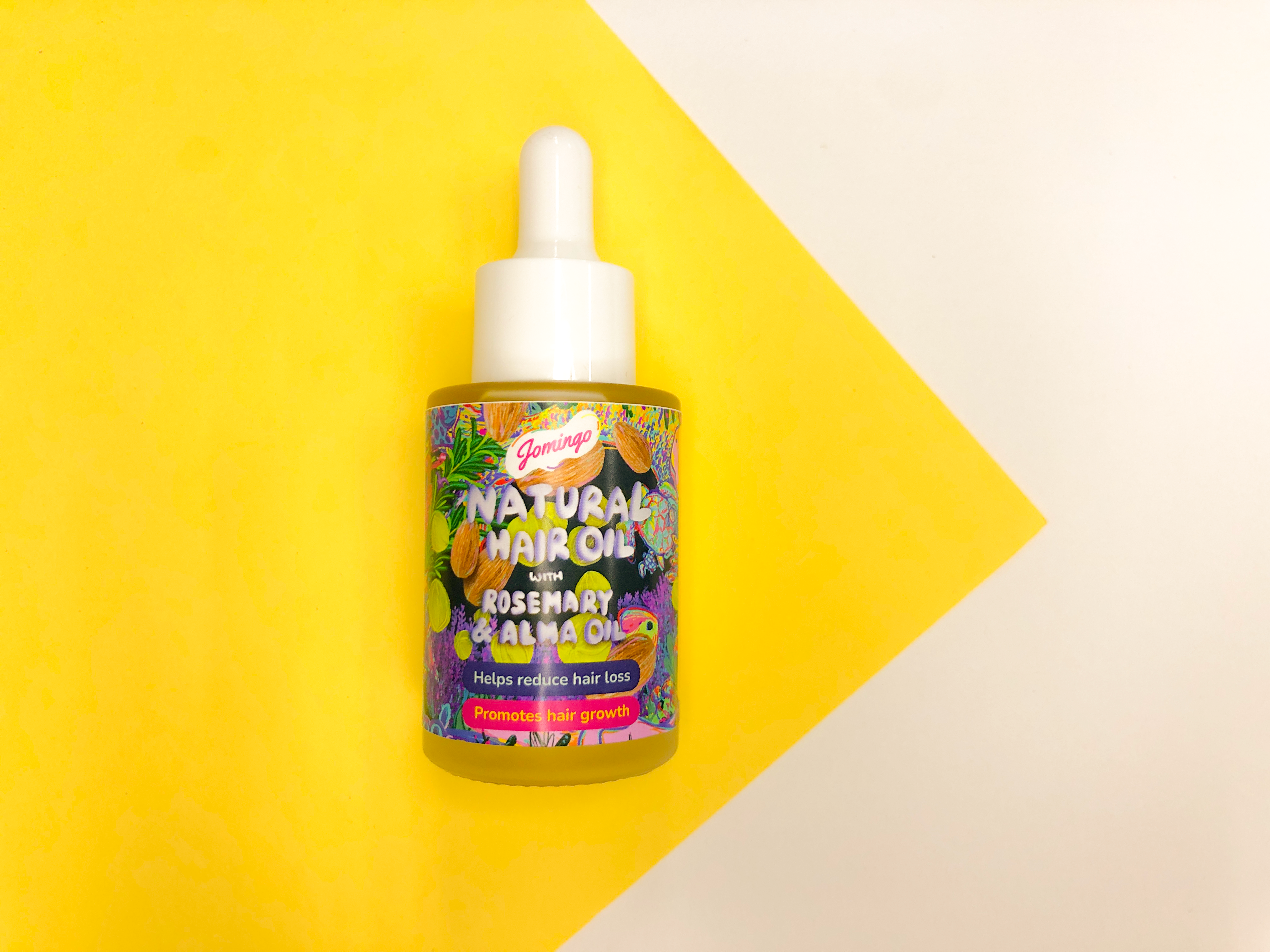
If your ultimate goal is improving density alongside curl definition, consider incorporating a specialized rosemary hair oil or a traditional ayurvedic hair oil into your wellness routine. Jomingo's unique, nutrient-dense natural hair oil is specifically crafted to deliver these combined benefits directly to your scalp.
Understanding how to use rosemary oil for hair growth involves regularly massaging this targeted botanical blend into your scalp to stimulate microcirculation and awaken dormant follicles. Formulations that pair verified rosemary oil benefits with ancient amla hair oil practices allow you to protect your current length while encouraging a fuller, thicker root structure over time.
To ensure your routine remains safe and clean, you can cross-reference the ingredient safety profiles of these plant extracts using the public cosmetics database at the Environmental Working Group or review global ecological and agricultural harvesting guidelines via the World Wildlife Fund Organic Materials Criteria.
Strategic Guide: How to Maximize Your Hair Oil Routine
|
Frequently Asked Question |
Professional Styling Advice |
|
Is argan oil good for hair growth? |
While moroccan argan oil is primarily celebrated for its dramatic structural conditioning and breakage prevention, healthier, stronger strands naturally retain length better, leading to visibly accelerated hair growth over time. |
|
How often should you use hair oil? |
For fine curls, applying a few drops of pure organic argan oil once or twice a week to damp ends is sufficient to keep them protected. For thicker, coarser hair types, a light daily application or a weekly deep-conditioning scalp treatment is highly recommended to maintain hydration. |
|
How to use argan oil for hair styling? |
Warm a few drops of cold pressed argan oil between your palms and gently scrunch it into your curls after applying your leave-in conditioner. This technique locks in maximum water moisture, highlights your natural pattern, and creates a smooth, frizz-free finish. |